Photoaging explained: An ex vivo approach to testing and proving the effectiveness of skincare products
In the cosmetics industry, the demand for anti-aging solutions continues to grow, but not all aging is created equal. Photoaging, the premature aging of skin caused by chronic exposure to UV radiation, presents a unique biological challenge. Unlike intrinsic aging, photoaging is driven by environmental stressors and leaves distinct clinical and histological changes, including wrinkles, loss of elasticity, uneven pigmentation, and a leathery texture.
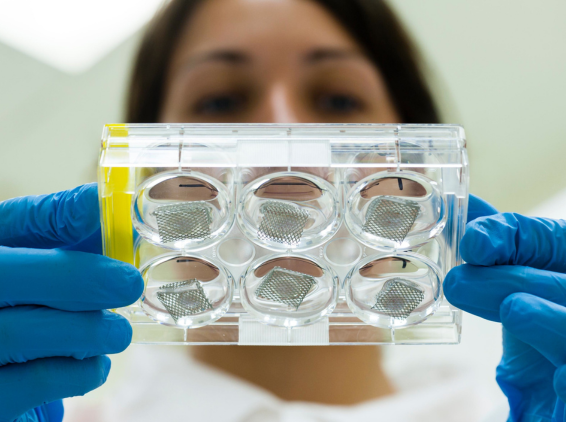
At Eurofins C&PC, we go beyond surface-level claims. Our ex vivo photoaging model uses chronically UV-exposed human skin explants to replicate the complex range of damage observed in real-life sun exposure. This allows us to evaluate the efficacy of cosmetic active ingredients in preventing or reversing the key mechanisms of photoaging.
Photoaging is not just about wrinkles, it’s a multifactorial process involving:
- DNA Damage: UV-induced mutations (e.g., thymine dimers) impair cellular function and increase cancer risk.
- Oxidative Stress: Reactive oxygen species (ROS) overwhelm antioxidant defences, damaging lipids, proteins, and DNA.
- ECM Degradation: UV exposure upregulates matrix metalloproteinases (MMPs), breaking down collagen and elastin, while reducing their synthesis, leading to sagging and loss of elasticity.
- Inflammation and immunosuppression: Persistent cytokine release and immune cell depletion (e.g., Langerhans cells) contribute to redness, sensitivity, and impaired repair.
- Cellular senescence: Senescent fibroblasts secrete matrix-degrading enzymes and reduce growth factor production, weakening skin structure and function.
Our specific protocol allows for accurate assessment of the ability of cosmetic products to prevent or reduce the negative effects of photoaging. Whether your active targets are:
- Antioxidant defence (e.g., vitamin C, polyphenols);
- MMP inhibition;
- Collagen synthesis stimulation;
- Senescence modulation
We help you select the most relevant biomarkers and histological evaluation criteria to support your claims with scientific rigor.
While UV remains the primary driver, we also consider the role of visible light, infrared radiation, and pollution in accelerating photoaging. Our protocols can be adapted to reflect these real-world exposures.
By combining mechanistic insight with robust ex vivo testing, Eurofins C&PC empowers cosmetic brands to develop and validate next-generation anti-photoaging solutions, grounded in science and proven by data. To strengthen claim substantiation even further, our ex vivo assays can be coupled with cosmetogenomic profiling and clinical evaluation. This integrative strategy connects molecular mechanisms, tissue-level validation, and real-life efficacy, providing cosmetic brands with a 360° scientific framework to position their anti-photoaging products with confidence.