Soil biodiversity
Definition
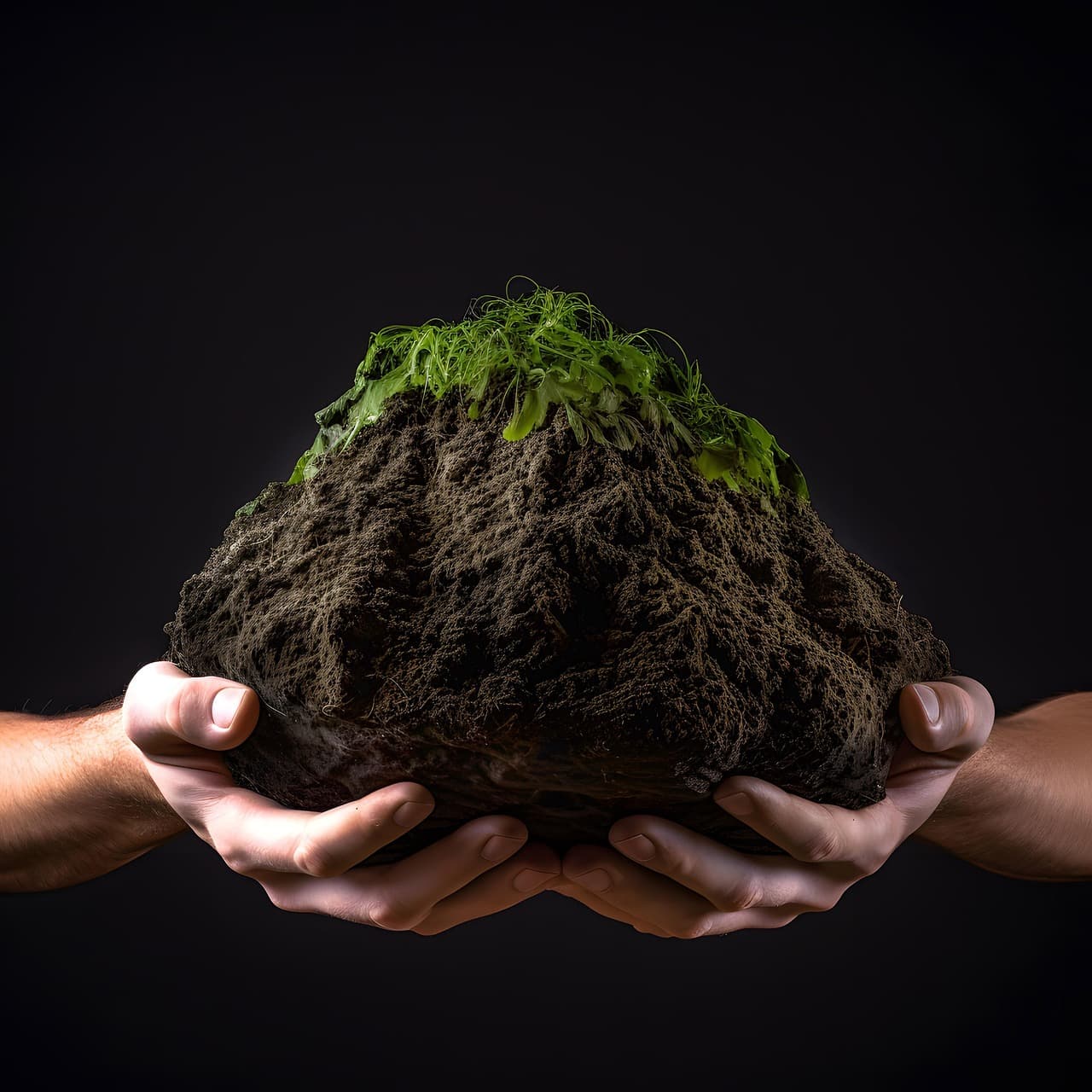
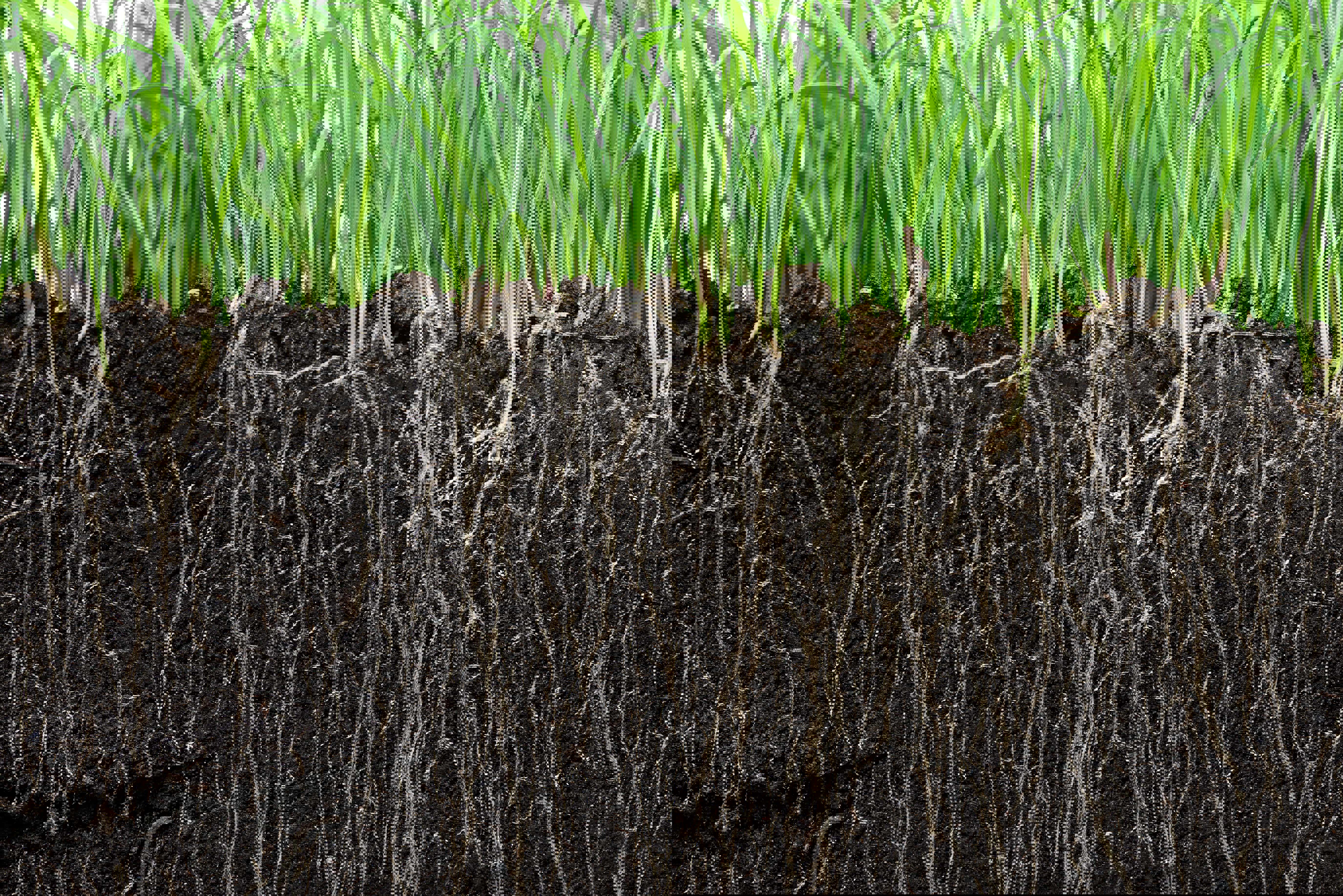
Soil biodiversity refers to the variety of living organisms present within the soil ecosystem. This includes microorganisms such as bacteria and fungi, as well as larger organisms like earthworms, nematodes, and insects.
These organisms interact with each other and with plants, forming a complex and dynamic system essential for soil health.
Importance
Soil biodiversity is crucial for:
- Nutrient cycling: Microorganisms break down organic matter, releasing nutrients for plant growth.
- Soil structure: Earthworms and other organisms improve aeration and water infiltration.
- Disease suppression: Diverse microbial communities help control soil-borne pathogens.
- Carbon storage: Soil organisms contribute to carbon sequestration, mitigating climate change.
- Ecosystem resilience: Biodiversity enhances soil’s ability to recover from disturbances such as drought or heavy rainfall.
Components of soil biodiversity
- Microorganisms: Bacteria, fungi, archaea – responsible for decomposition and nutrient transformations.
- Mesofauna: Nematodes, mites – regulate microbial populations and nutrient flow.
- Macrofauna: Earthworms, beetles – improve soil structure and organic matter distribution.
Factors affecting soil biodiversity
- Soil type and texture
- Organic matter content
- Moisture and temperature
- Land management practices (e.g., tillage, fertilisation, pesticide use)
Enhancing soil biodiversity
- Apply organic amendments (compost, manure)
- Reduce soil disturbance (minimum tillage)
- Maintain crop diversity and cover crops
- Avoid excessive chemical inputs
Related products
Soil biodiversity
Definition
Soil biodiversity refers to the variety of living organisms present within the soil ecosystem. This includes microorganisms such as bacteria and fungi, as well as larger organisms like earthworms, nematodes, and insects.
These organisms interact with each other and with plants, forming a complex and dynamic system essential for soil health.
Importance
Soil biodiversity is crucial for:
- Nutrient cycling: Microorganisms break down organic matter, releasing nutrients for plant growth.
- Soil structure: Earthworms and other organisms improve aeration and water infiltration.
- Disease suppression: Diverse microbial communities help control soil-borne pathogens.
- Carbon storage: Soil organisms contribute to carbon sequestration, mitigating climate change.
- Ecosystem resilience: Biodiversity enhances soil’s ability to recover from disturbances such as drought or heavy rainfall.
Components of soil biodiversity
- Microorganisms: Bacteria, fungi, archaea – responsible for decomposition and nutrient transformations.
- Mesofauna: Nematodes, mites – regulate microbial populations and nutrient flow.
- Macrofauna: Earthworms, beetles – improve soil structure and organic matter distribution.
Factors affecting soil biodiversity
- Soil type and texture
- Organic matter content
- Moisture and temperature
- Land management practices (e.g., tillage, fertilisation, pesticide use)
Enhancing soil biodiversity
- Apply organic amendments (compost, manure)
- Reduce soil disturbance (minimum tillage)
- Maintain crop diversity and cover crops
- Avoid excessive chemical inputs
Related products