Rumen Undegradable Protein (RUP)
Definition
Rumen Undegradable Protein (RUP), also known as resistant crude protein or bypass protein, is the fraction of total crude protein in a ration that cannot be broken down by rumen microbes. Instead, it passes through the rumen and becomes available for absorption in the intestines.
Total crude protein consists of:
- Soluble protein
- Degradable protein
- Rumen undegradable protein (RUP)
The digestible portion of RUP is referred to as intestinal digestible bypass protein.
Importance
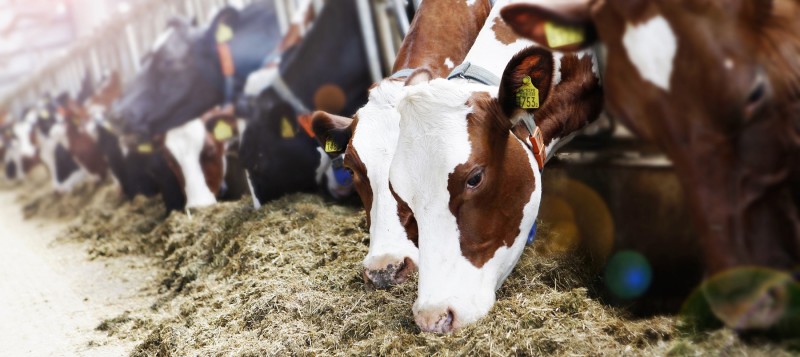
RUP is essential for meeting the animal’s amino acid requirements beyond what microbial protein can supply. It ensures high-producing animals, such as dairy cows, receive sufficient protein for milk synthesis and growth. Balancing RUP with rumen degradable protein (RDP) is critical for optimal performance and nitrogen efficiency.
Determination
The amount of RUP in feed can be measured using the nylon bag technique, where feed samples are incubated in the rumen. The fraction remaining after incubation represents the RUP content. This method helps nutritionists evaluate feed quality and formulate balanced rations.
Factors influencing RUP
- Feed type: Grass generally contains low RUP, but resistance increases during drying.
- Processing methods:Heat treatment and formaldehyde treatment can significantly increase RUP levels.
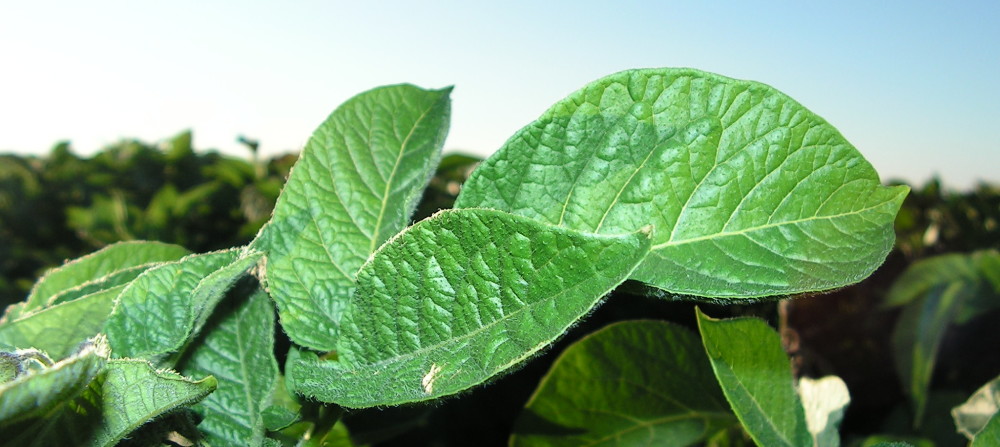
For example, protein-rich raw materials like soybean or rapeseed meal can have their RUP percentage raised from about 35% to over 80% through treatment.
Practical implications
- Feeds with low RUP require supplementation to meet animal protein needs.
- Overprocessing can reduce digestibility of bypass protein, so treatments must be carefully controlled.
- Understanding RUP levels helps optimise nitrogen utilisation and reduce waste.
Related products