P-plant available
Definition
Phosphate (P) uptake by plants depends on the concentration of P in the soil solution, often referred to as plant-available P. This fraction represents the amount of phosphate that crops can directly absorb during the growing season.
Importance
Phosphate is an essential nutrient for plant growth, influencing root development, energy transfer, and overall crop productivity. However, its availability in soil is typically very low, making accurate assessment critical for effective fertilisation strategies.
Buffering mechanisms
Although the concentration of plant-available P in the soil solution is small, it is buffered by various P fractions in the solid phase. These fractions interact through complex processes such as:
- Desorption–Adsorption
- Dissolution–Precipitation
- Mineralisation–Immobilisation
These processes maintain equilibrium between soil solution and solid-phase P.
Influencing factors
The dynamics of P availability are strongly affected by:
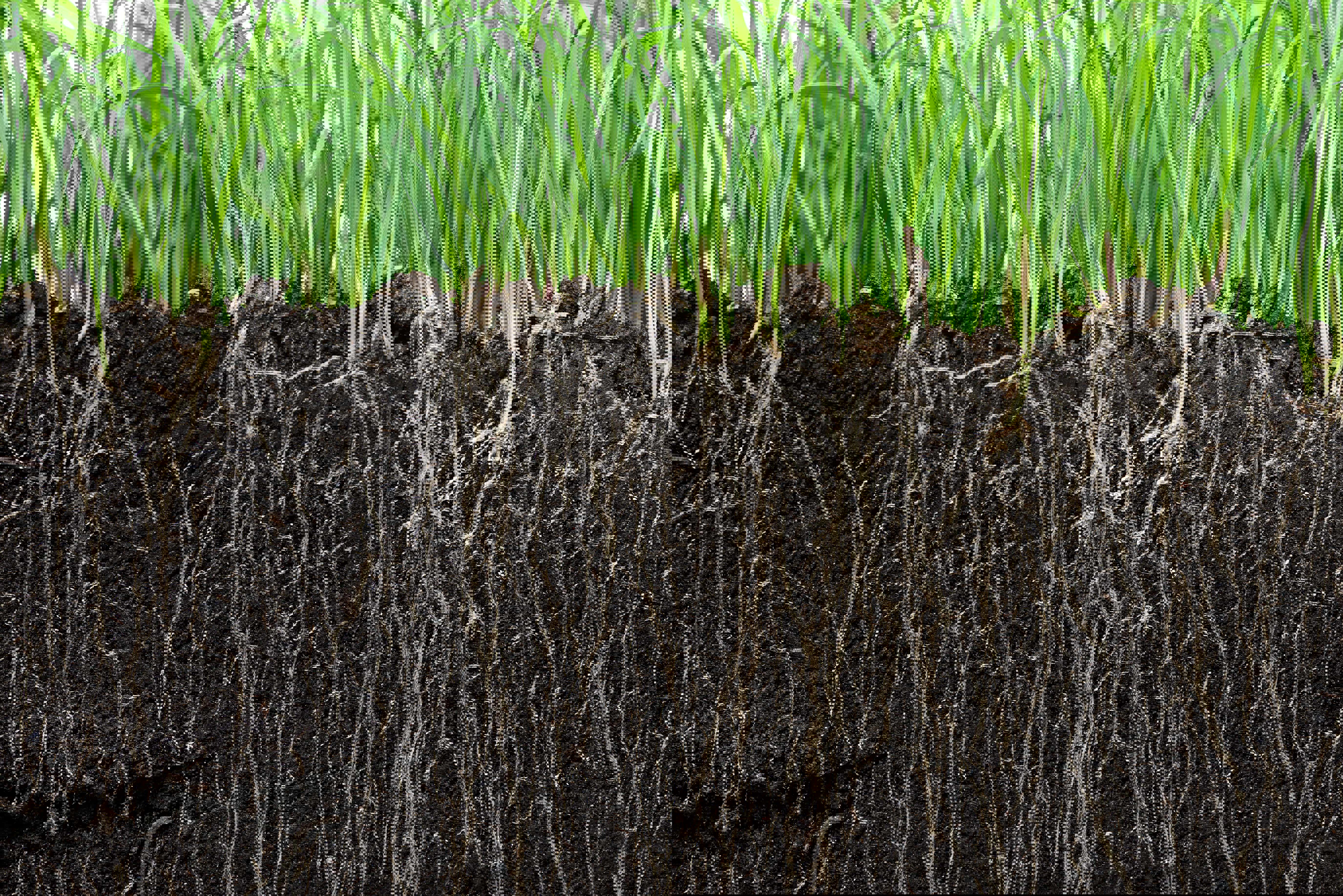
- Root activity (uptake and exudates)
- Environmental conditions (temperature, moisture, pH).
Typical levels
Plant-available P is usually only a few kilograms per hectare, generally ranging from <2 to 20 kg P/ha. This represents the amount directly accessible to crops within the current season.
Related products