Acetic acid in the silage
Definition
Acetic acid (like butyric acid and propionic acid) is a volatile fatty acid formed during the beneficial conservation process of grass and corn silage.
Key to preventing silage heating
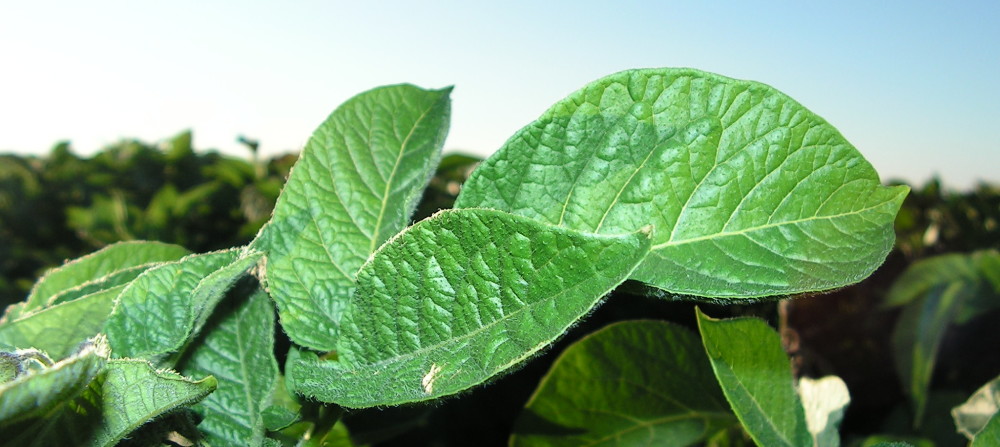
Low levels make grass silage vulnerable to overheating. Harvest crops high in sugar and not too dry to support bacterial conversion, as dry silage limits acetic acid formation.
Silage stability
Optimal acetic and propionic acid levels in grass silage are 20–35 g/kg DM. Too low causes heating; too high affects taste. At low pH, these acids inhibit fungi and bacteria, ensuring well-preserved silage.
Acetic acid in the rumen
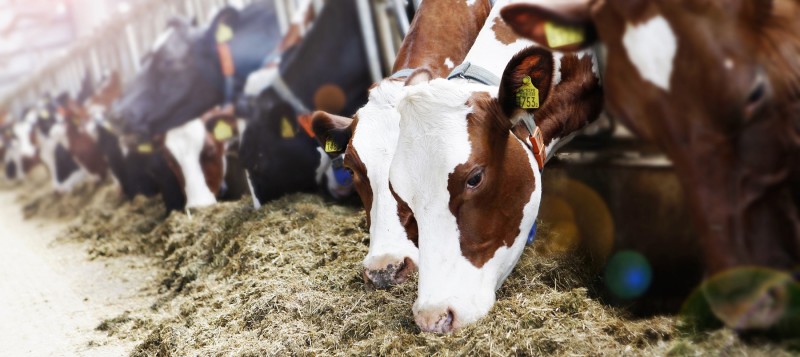
In the rumen, microbes form volatile fatty acids. Acetic acid from cellulose breakdown fuels energy and milk fat. Low structural rations (e.g., young grass) reduce acetic acid, lowering milk fat content. Cellulolytic bacteria are very sensitive to a low pH.
Related products