Soil Life Monitor
Understand, monitor and improve soil health
Soil Life Monitor
Building biodiverse soils and substrates
Healthy soil is the basis for resilient growth. That’s why diversity in soil life is crucial.
Soil Life Monitor maps the microorganisms – a.k.a. microscopic miracle workers – in soil and greenhouse substrates. As a result, you can work in a targeted way on soil or substrate that is less susceptible to diseases and pests, retains and delivers more nutrients, has improved water holding capacity, and can store more CO₂.
Healthy soils make a significant contribution to the sustainable development goals (SDGs) of the United Nations.
Why is soil life important?
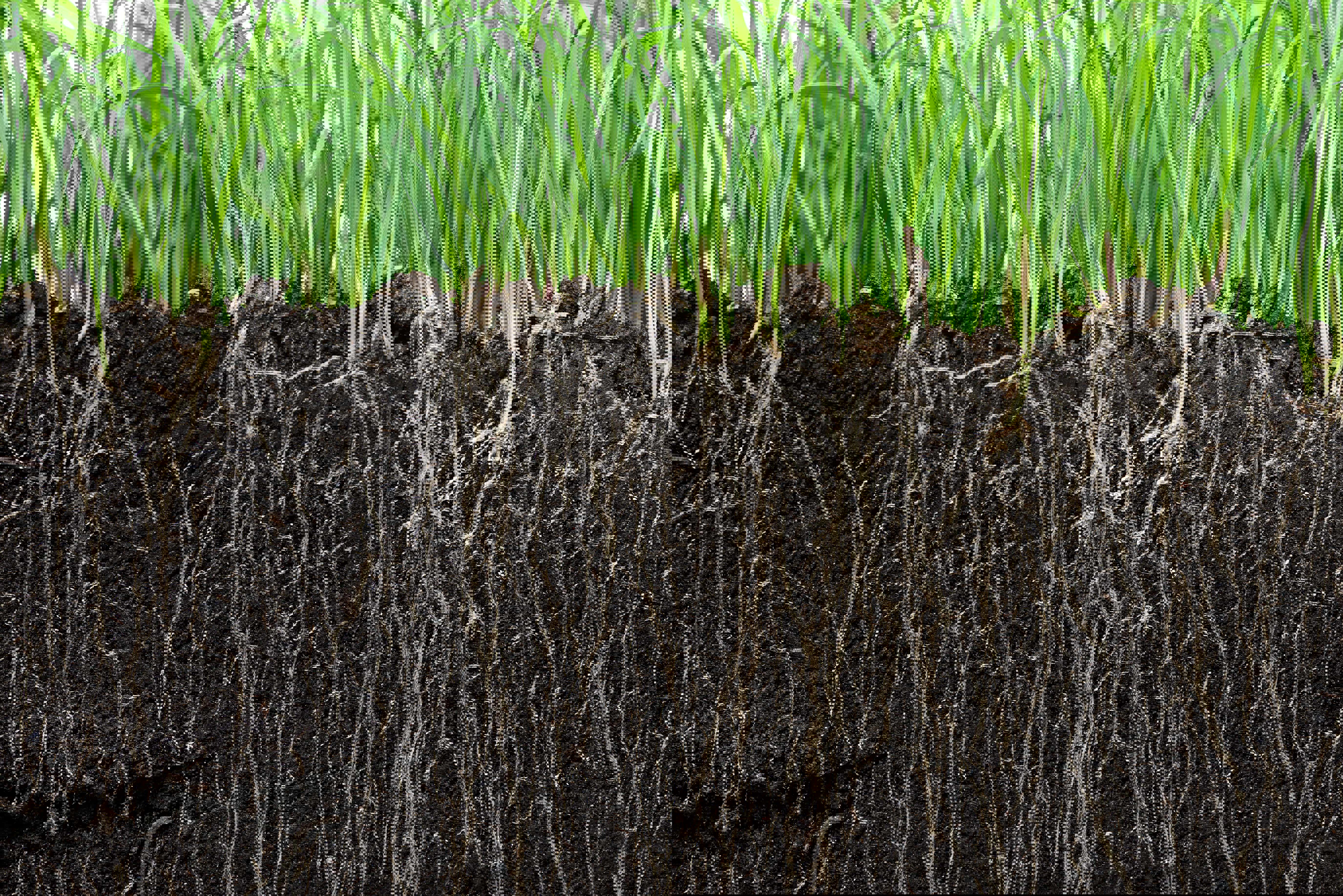
Many organisms, large and small, live in soil. They play an important role in soil structure, nutrient cycling, and carbon sequestration from the atmosphere. But that’s not all. Diverse soil life is the basis for biodiversity and therefore essential for the health and safety of planet Earth.
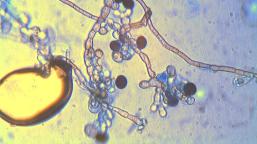
Earthworms, moles and other organisms are easy to see with the naked eye. Microorganisms such as bacteria, fungi and protozoa, on the other hand, are not. Even nematodes are too small to see. Yet microorganisms are responsible for so many soil processes.
How to monitor soil life?
Knowing the state of the microorganisms in the soil allows you to take the right measures to maintain and stimulate soil life. The Eurofins Soil Life Monitor is a practical tool that provides insight into the total amount of microorganisms in the soil and the presence of different functional groups.
Soil Life Monitor is available for both open-field soils and greenhouse substrates. This allows consistent insight into microbial life, whether plants grow in soil or in controlled substrate systems.

PLFA analysis
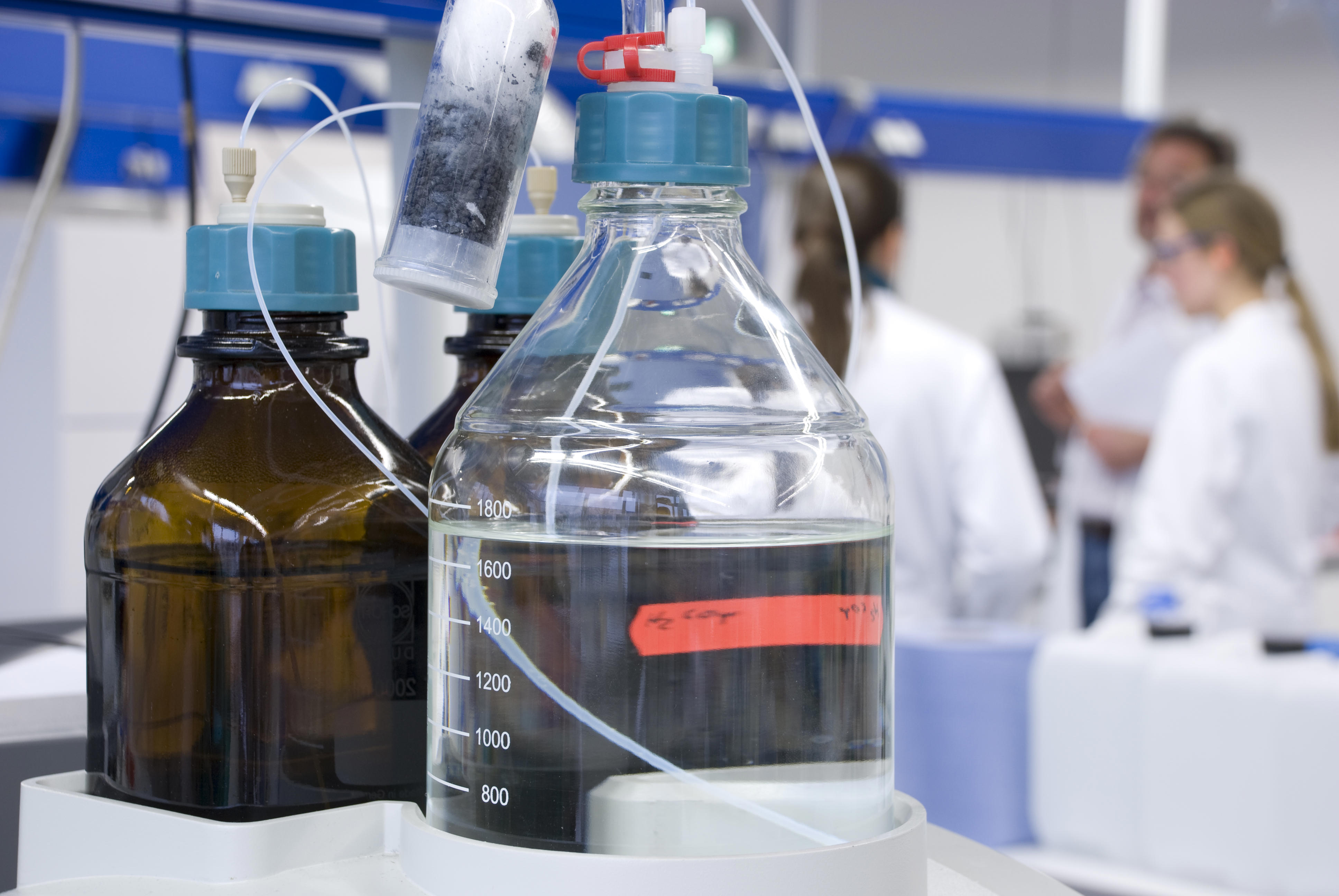
Soil Life Monitor is based on Phospholipid Fatty Acids (PLFA) analysis. PLFAs make up the cell membranes of bacteria and fungi. They degenerate quickly, therefore by analyzing them, we measure only the living organisms present in the soil.
The wet chemistry method we use is GC-MS (Gas chromatography-mass spectrometry), which can determine 120 different PLFAs. PLFAs are specific to different groups of bacteria and fungi, so through this analysis, we can determine the defined groups that are present (bacteria, fungi and protozoa) and their relative quantities.
NIRS
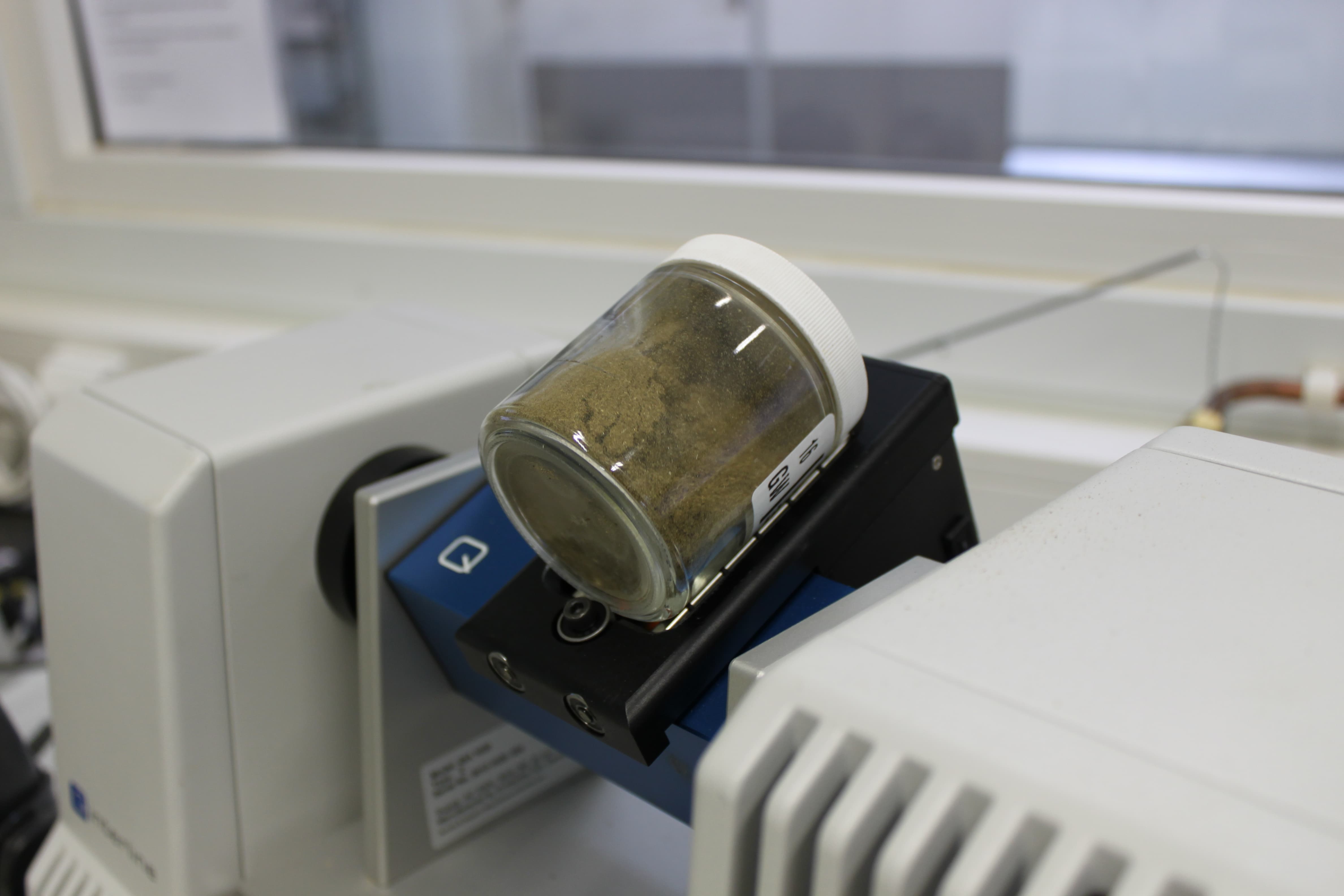
Eurofins Agro also measures PLFAs using near-infrared spectroscopy (NIRS), a quick, innovative, and reliable method. NIRS analysis uses PLFA GC-MS as the wet chemistry reference method. By analyzing many samples with both wet chemistry and with NIRS, the NIRS analysis is calibrated to provide an optimized measurement of PLFAs in the soil sample.

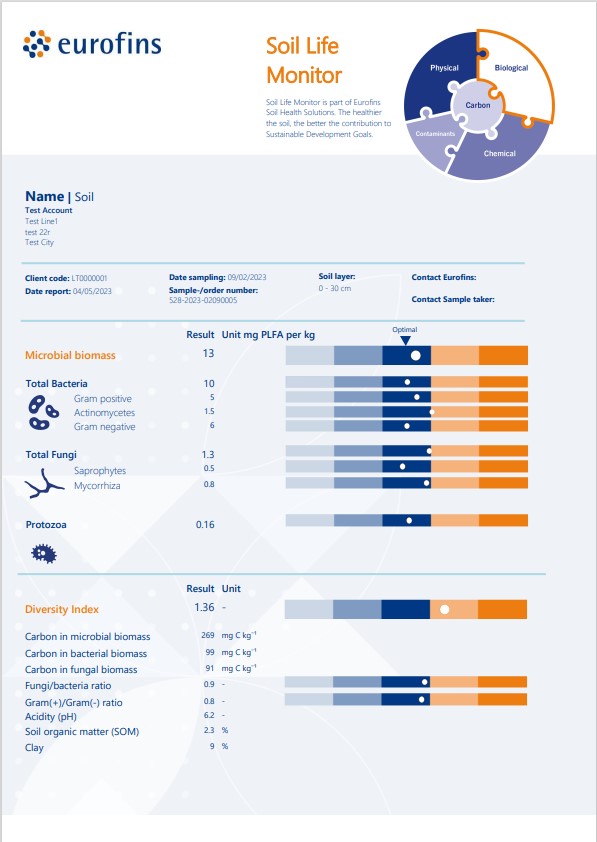
Parameters analysed in Soil Life Monitor
Soil Life Monitor measures key biological, chemical and physical soil indicators. From microbial biomass and fungi/bacteria ratios to soil organic matter and pH, each parameter provides insight into soil health and biodiversity.

Download and read more!