Manure Check
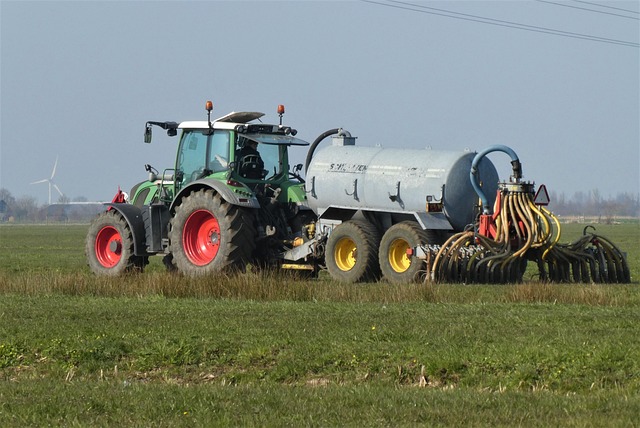
Measure what your manure really contains
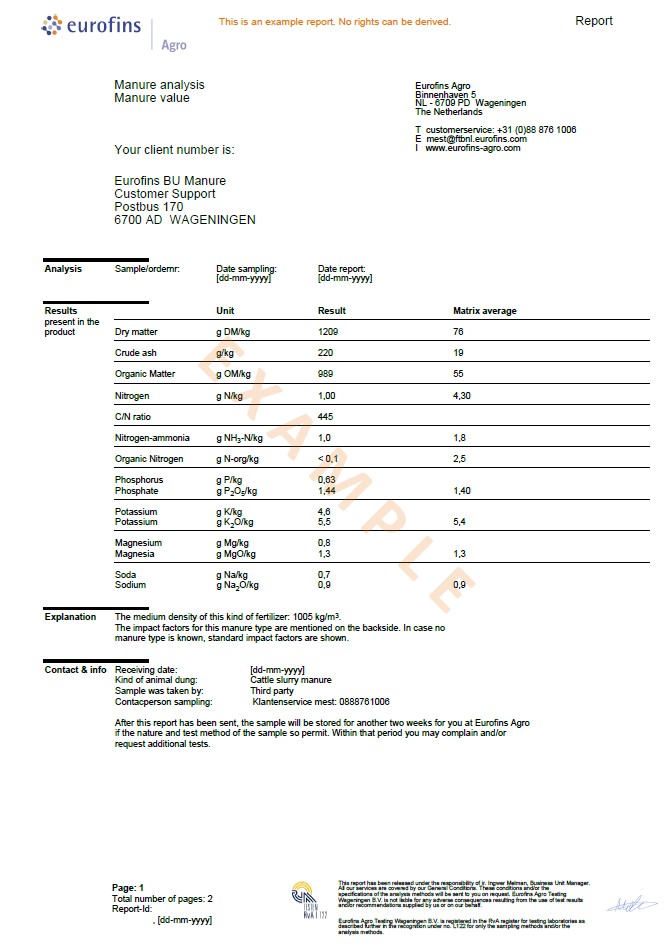
Manure Check
To fertilise effectively, you need to know exactly what is in your manure. The nutrient and organic matter content can vary widely between farms, storage facilities and even batches. Manure Check gives you reliable data to build a precise fertilisation strategy, avoid over- or under-application and support sustainable soil management.
What is Manure Check?
Manure Check analyses the nutrient and organic matter content of both solid and slurry manure. The test provides a clear picture of key fertilising elements such as nitrogen, phosphate and potassium, as well as organic matter levels that influence soil fertility and long-term soil structure.
The analysis supports accurate fertilisation planning and helps farmers work more efficiently within regulatory limits.

Why manure composition matters
Manure composition differs significantly between farms and even between storage locations. Differences arise from ration composition, rinse water use, feed mineral levels and livestock type.
Relying on average nutrient values can easily lead to incorrect fertiliser application. This may reduce yields, disrupt nutrient balance and negatively affect soil health. With accurate manure data, you can:
- Fine-tune nutrient supply for each field
- Improve the mineral cycle
- Prevent over-application
- Increase crop yield and quality
How Manure Check works
Manure samples are analysed for key nutrients and organic matter content. The results show the actual nutrient concentrations per cubic metre of slurry or per tonne of solid manure. This allows you to adjust fertilisation plans based on real values rather than assumptions.
The method is suitable for dairy, arable and mixed farming systems and supports both long-term soil fertility management and daily operational decisions.
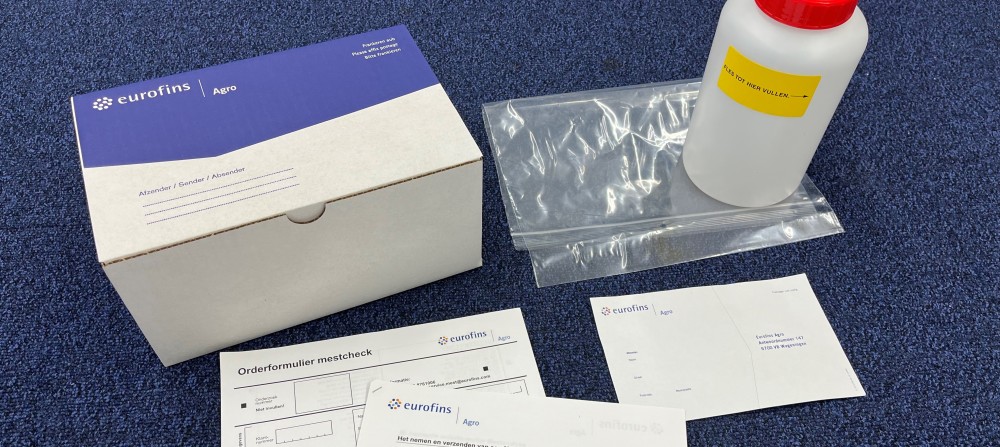
When to use Manure Check
Manure Check is valuable when you want to:
- Calculate accurate levels of nitrogen, phosphate and potassium
- Understand organic matter contributions to maintain or improve soil fertility
- Adjust fertilisation strategy per field and crop
- Comply with nutrient-use regulations
- Increase efficiency in manure management across multiple storage units
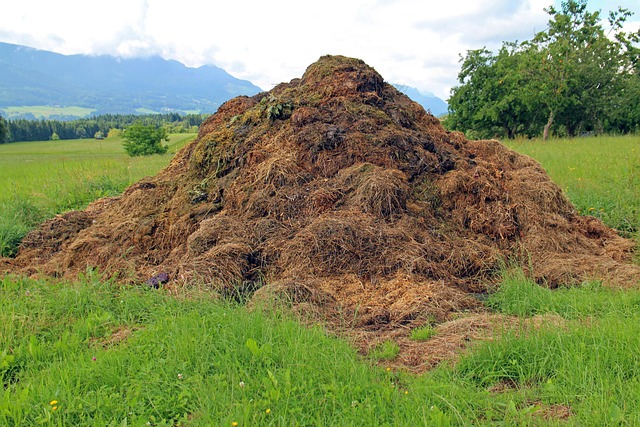

Parameters analysed in Manure Check
Manure Check measures the key nutrients that determine fertilising value and soil impact. This includes nitrogen, phosphate, potassium and organic matter. These insights allow you to compare batches, optimise nutrient use and build a balanced fertilisation plan for each field.

Download and read more!
