Fertiliser Check
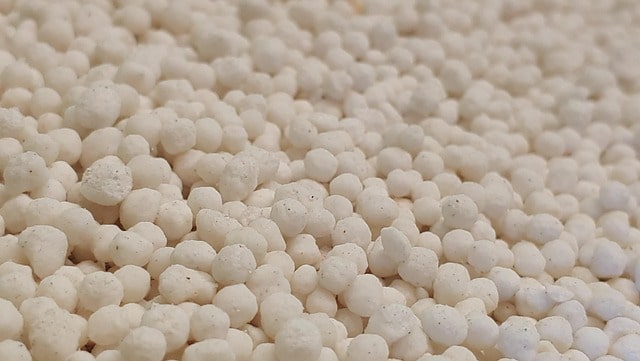
Verify the purity and composition of your fertilisers
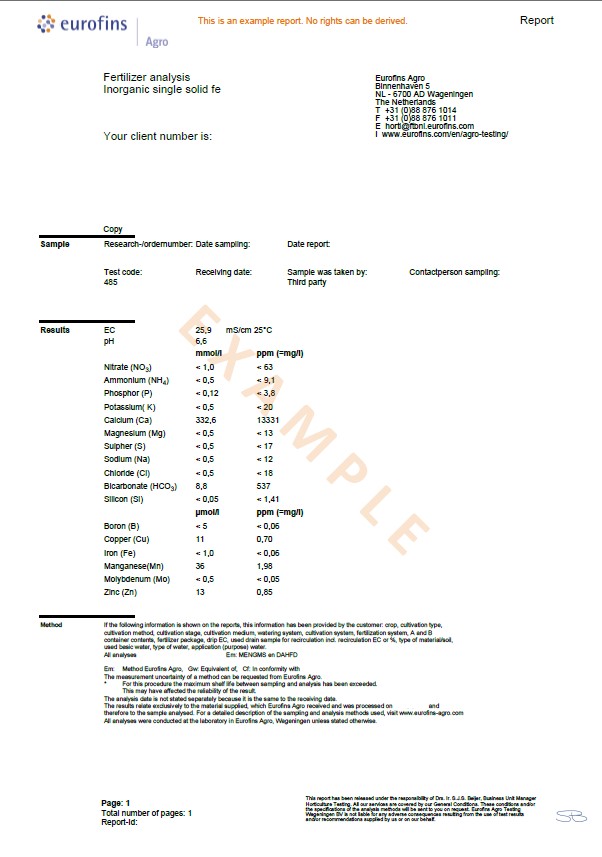
Fertiliser Check
Impurities in fertilisers can cause unexpected crop issues, blocked irrigation lines or precipitation in A/B tanks. Fertiliser Check provides clarity about the purity and composition of mineral fertilisers, helping you prevent problems before they affect your crop.
Why analyse fertilisers?
Crop problems are not always caused by pathogens or climate. Sometimes fertiliser purity is the source, for example elevated sodium, heavy metals or unwanted residues that affect growth and system performance.
With new formulations and new producers entering the market, independent testing has become increasingly relevant.
A significant number of samples is already submitted by fertiliser suppliers who use Fertiliser Check as routine quality control or when third-party verification is preferred. Suppliers are very welcome to submit samples directly, supporting transparency, product confidence and strong customer relationships.
What Fertiliser Check measures
Fertiliser Check determines the chemical composition of mineral fertilisers, including nutrient levels, sodium, heavy metals, organic matter and, for lime fertilisers, the neutralising value.
This ensures you know exactly what you are applying and whether it meets your quality expectations.
When to use Fertiliser Check
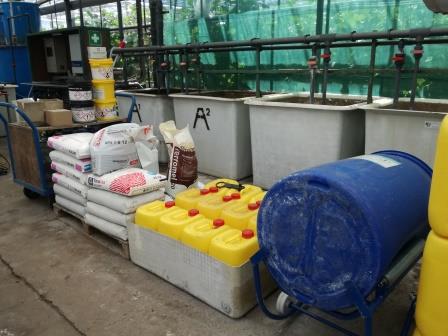
Fertiliser Check is valuable when switching to a new product or supplier, evaluating low-sodium or organic fertilisers, or when crop problems or irrigation blockages may be linked to impurities.
The analysis provides reassurance and supports stable crop performance.
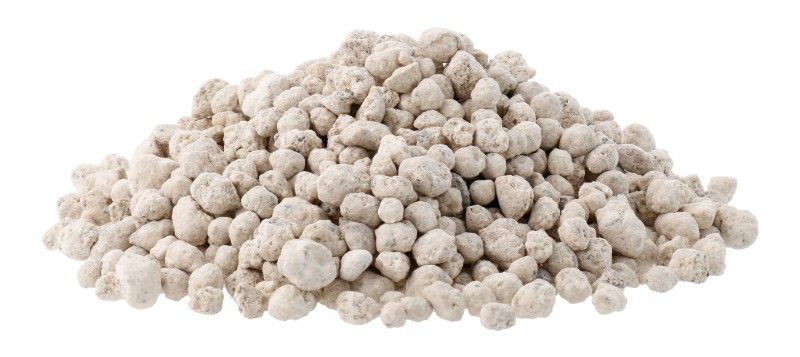

Parameters analysed in Fertiliser Check
Fertiliser Check reports on the key components that determine fertiliser purity and quality, including nutrients, sodium, heavy metals, organic matter and neutralising value.

Download and read more!