Viticulture stalk Testing
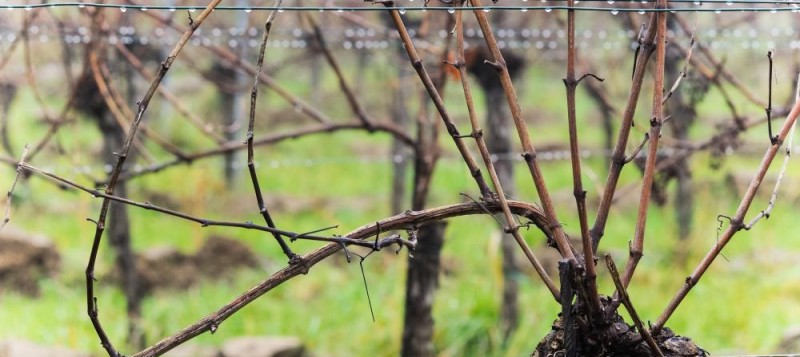
Insight into nutrient status for high-quality grape production
Viticulture stalk testing
To understand a vineyard’s production potential and make the right interventions at the start of the season, it is essential to know the nutritional reserves stored in shoots and branches. Viticulture Stalk Testing provides this insight and helps prevent imbalances before they affect vine performance.
What is Viticulture stalk testing?
Viticulture stalk testing analyses the shoots and branches of perennial vines to evaluate the nutritional reserves that support early growth. Unlike leaf or sap analysis, stalk testing focuses on the stored elements that vines rely on during the first stages of the season, before active nutrient uptake resumes.
This makes the analysis a powerful tool for understanding vine vigour, reserve status and the foundations of the upcoming production cycle.
Why stalk analysis matters in viticulture
Traditional plant analyses often examine leaves or sap, which provide a picture of current nutrient uptake. However, in perennial crops such as grapevine, significant reserves are stored in shoots and branches. These reserves determine:
- Early-season growth strength
- Risk of vegetative imbalance
- Response to climate stress in spring
- Ability to support flowering and fruit set
A winter assessment of vine reserves allows growers to anticipate risks based on the nutritional balance prior to budbreak.

How Viticulture stalk testing works
Stalk testing evaluates the mineral composition of vine shoots and branches after ripening and harvest. This reflects the nutritional status accumulated during the previous season and provides a baseline for fertilisation planning.
Over time, the results help assess:
- Multi-annual effects of climate
- Impact of fertilisation and treatments
- Influence of pruning and vineyard practices
- Interaction with soil and subsoil conditions
Combined with soil analysis, the test offers a comprehensive picture of the vineyard’s nutritional foundations.

When to use Viticulture stalk testing
Viticulture stalk testing is most valuable when:
- Planning fertilisation strategies for the next season
- Assessing vine reserves during winter
- Identifying deficiencies, excesses or nutrient ratio imbalances
- Evaluating long-term vineyard health and productivity
- Understanding how climate and management practices affect vine reserves
The analysis supports both quantitative and qualitative production goals.


Parameters analysed in Viticulture stalk testing
Viticulture stalk testing measures the mineral composition of vine leaves and petioles, providing insight into nutrient availability, balance and assimilation efficiency to support high-quality grape production.

Download and read more!