Nematode testing
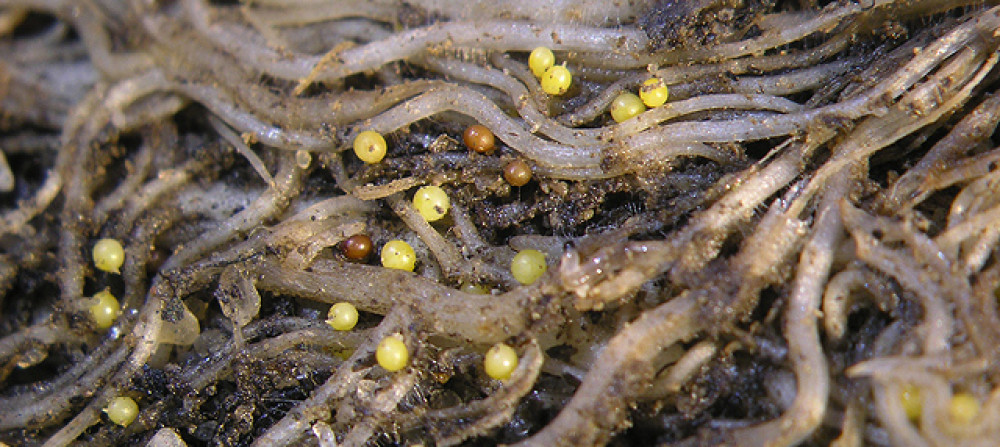
Early detection of nematodes to protect crop performance
Nematode testing
Nematode testing provides insight into the presence and quantity of plant parasitic nematodes in soil and other materials. Early detection reduces the risk of yield loss, quality damage and export restrictions.
What is nematode testing?
Nematode testing identifies which nematode species are present in soil, plant material, water, compost or substrate. Eurofins Agro has been a leading centre of expertise in nematode diagnostics since 1957 and is accredited for several inspection studies.
The analysis equips growers and advisors with the information needed to understand nematode pressure and take timely measures to protect crops.

Why nematode detection matters
Plant parasitic nematodes can cause:
- Yield reduction
- Quality damage
- Increased susceptibility to disease
- Export limitations
Understanding species, density and risk level supports decisions such as adjusting crop rotation, choosing alternative fields or applying targeted management strategies. Testing also provides insight into host plant suitability and expected damage risk.
How nematode testing works
Eurofins Agro applies DNA analysis, microscopic identification and optional incubation to determine which nematodes are present and in what quantities.
- DNA analysis detects more than 25 relevant free-living and plant parasitic nematodes with high sensitivity.
- Microscopic identification enables determination of species not covered by DNA testing and validates molecular findings.
- Incubation reveals nematodes still present in eggs or plant residues, completing the picture for species like Meloidogyne and Pratylenchus.
Testing is carried out by trained nematologists and always includes species-level determination when possible.

When to use nematode testing
Nematode testing is suitable for:
- Soil sampling before planting
- Monitoring nematode populations during crop cycles
- Assessing risk in high-value propagation material
- Verifying field suitability for sensitive crops
- Export certification or inspection requirements
- Growers seeking early warning to avoid economic damage
Results help prevent crop decline and support sustainable field and rotation planning.
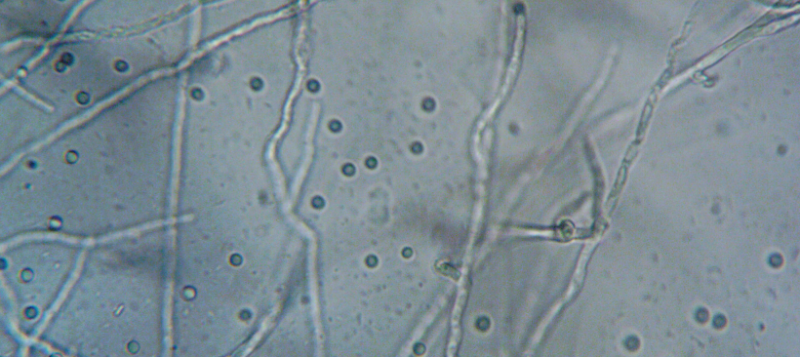

Parameters analysed in nematode testing
Nematode testing identifies nematode species and quantifies populations to assess potential crop damage, soil health risks and management requirements. Depending on the chosen package, species-level identification, group-level assessment or detailed population analysis is included.

Download and read more!