
Semen
Two-stage rapid test (acid phosphatase enzyme and PSA antibody).


Secretions are fluid excretions from various organs of the body. The presence of human secretions such as saliva, semen, blood, or urine can be detected through various laboratory tests.
We explicitly offer preliminary tests that can only confirm the presence of such secretions. This secretion test cannot determine the source of the trace. Therefore, it cannot identify the perpetrator.
Two-stage rapid test (acid phosphatase enzyme and PSA antibody).

To detect semen on items such as clothing, we use two different methods to rule out errors.
First, we test whether the enzyme acid phosphatase can be detected on the sample, for example, a submitted garment. This enzyme is found in high concentrations in male ejaculate.
To confirm the result, we then verify it with an antibody test. For this, we use prostate-specific antigen (PSA), a protein produced by the prostate gland. PSA is also present in ejaculate.
Each sample is tested twice for the presence of semen using these two analyses. If a reaction occurs on the sample, it proves the presence of semen. This test cannot determine the person responsible or related the sequence of events.
Amylase Test
The amylase test is used to detect saliva on tissue. Amylase is an enzyme present in saliva. Our test determines whether we can detect this amylase on the sample. For this, we use, for example, a cloth that appears to have saliva stains. We can then use a commercially available forensic cassette test to confirm the presence of saliva.
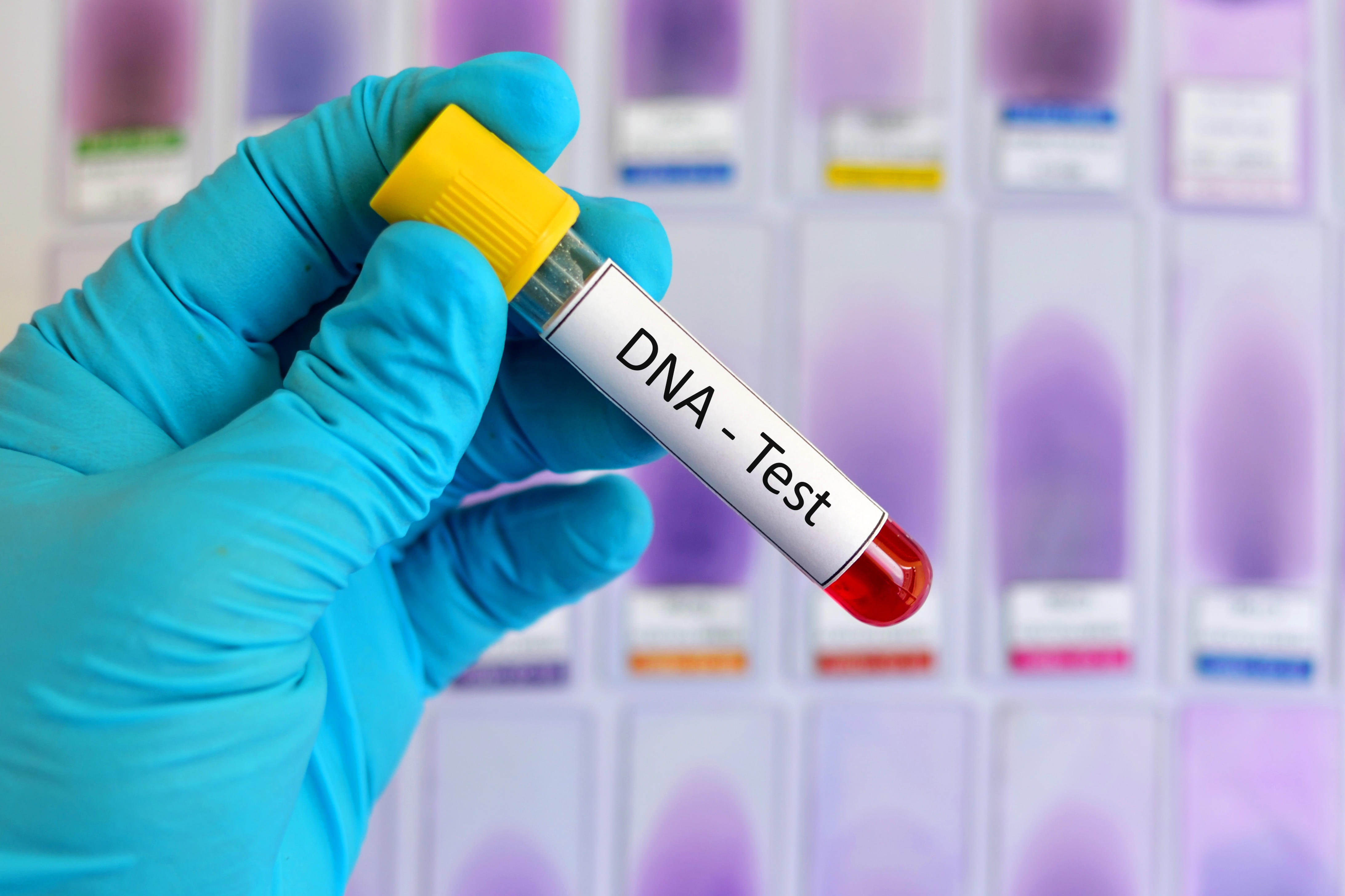
We can test for the presence of blood on objects or tissue. After a consultation suitable sample (clothes, underwear, sanitary napkins, etc.) is submitted to us. We can also send you cotton swabs in appropriate packaging to absorb fluids, to be collected for a sample.
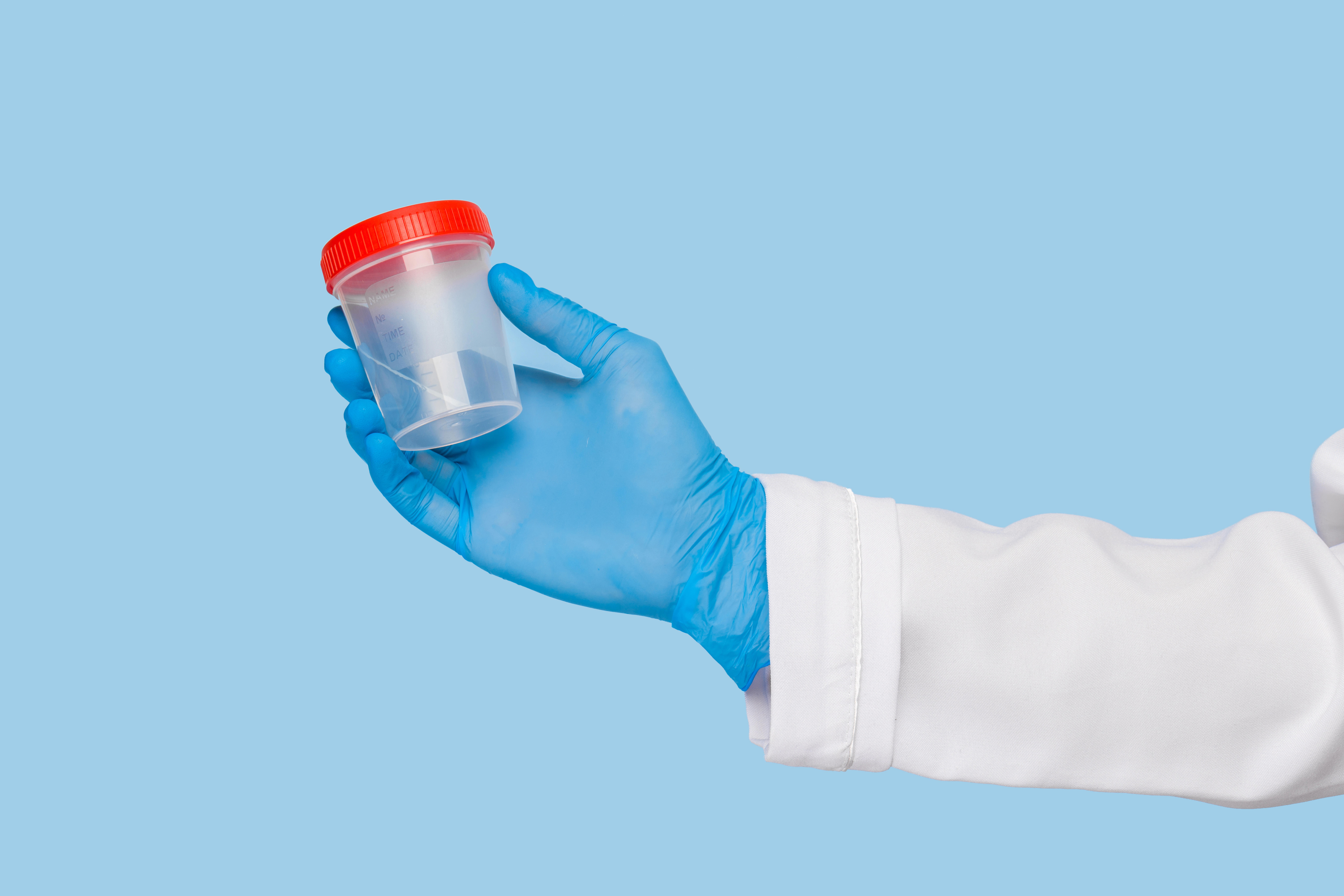
We can test for the presence of urine on objects or tissues. After consulting with us, you can provide us with suitable samples (clothes, underwear, sanitary napkins, etc.). We can also send you cotton swabs in appropriate packaging for absorbing the fluids.
DNA in Urine
DNA can indeed be found in urine, albeit only in small amounts. A standard sample taken by a doctor can be used to create a human DNA profile. Such an analysis may be necessary, for example, to prove the identity of a urine sample's origin.
For further information on the procedure and framework for such an investigation, please contact us.
The following information applies to all aforementioned tests:
The regulations of the Genetic Diagnostics Act (GenDG) must, of course, be observed when examining human traces. DNA profiles may not be created without the knowledge and consent of the individuals being tested. A statement about the identity of a person can only be made with their explicit consent.
Therefore, we do not create DNA profiles from the submitted samples, but rather, in accordance with the law, simply confirm the presence of secretions such as semen or saliva.