Microplastics
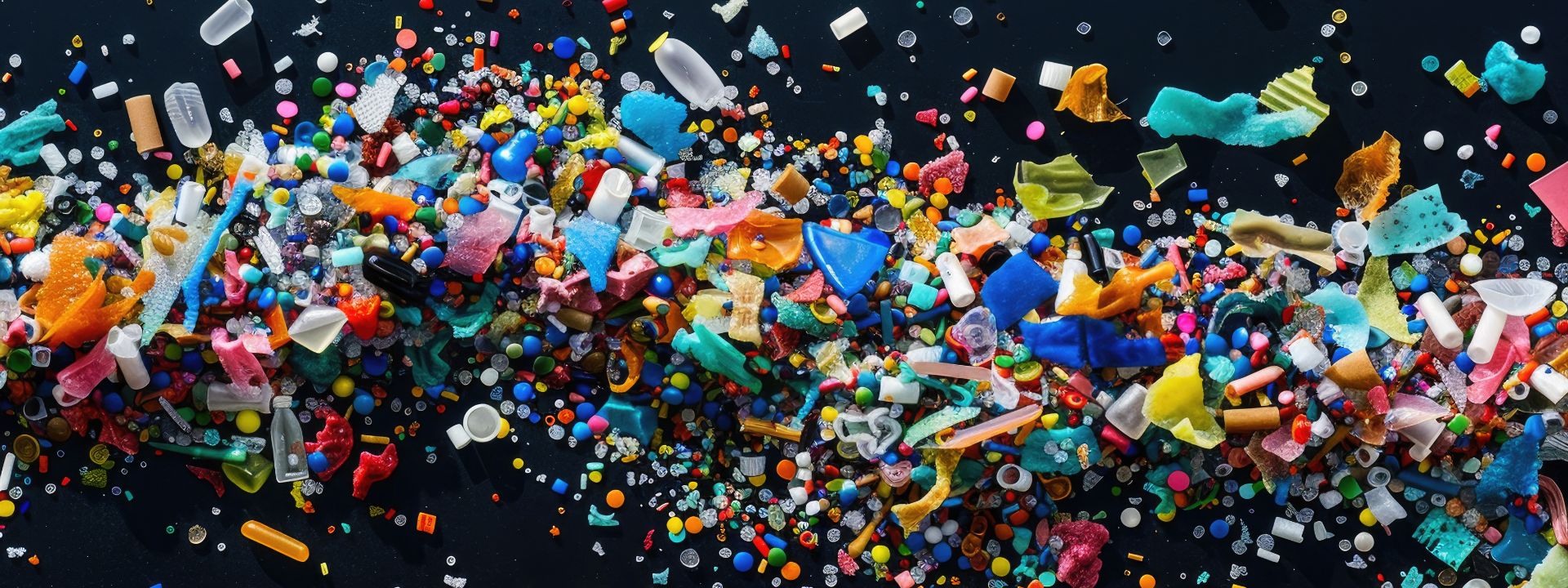
Analysis of microplastics
Microplastics, present in certain materials or originating from the degradation of plastics, can contaminate food products throughout the production chain. Invisible to the naked eye, they represent a true analytical and regulatory challenge. Eurofins Food & Feed Testing offers analytical solutions for the detection and quantification of microplastics, even at trace levels.
Key services
- Detection, identification and quantification of microplastics in food and beverages
- State-of-the-art techniques delivering qualitative results
- PY-GC-MS method (Pyrolysis, Gas Chromatography coupled with Mass Spectrometry) quantified using FTIR microscopy
- Analysis performed for 11 synthetic polymers in water, milk, fish, salt, and more
- Monitoring and application of standards
Microplastics in our lives
Microplastics can be sorted into two types, based on their origin:
- Primary microplastics: inherently present in certain hygiene and cosmetic products, detergents, synthetic textiles, paints, markings, etc.
- Secondary microplastics: resulting from the degradation or fragmentation of larger plastic objects that disperse into the environment
Disposable plastics and poorly recycled synthetic textiles pollute the environment and break down into microplastics. We ingest up to 5 grams per week, or about 20 kilograms over a lifetime, posing health risks.
Microplastics can contaminate drinking water, beverages, seafood, and salt and sugar.
Legal bases and guidelines
- Directive (EU) 2020/2184 on the measurement of microplastics in water intended for human consumption
- Regulation (EU) 2023/2055 concerning the authorisation of chemical substances, as well as the applicable restrictions on these substances (REACH)
Get in touch
Would you like to find out more about our testing solutions, or do you need tailored analytical support? Contact us today to get in touch with our experts.